
Careers
Becoming a Southwest Alaska pilot
Becoming a Southwest Alaska pilot takes years. The standards exist because the waters demand them. The rigor of the path is what stands behind every pilot who boards your vessel.
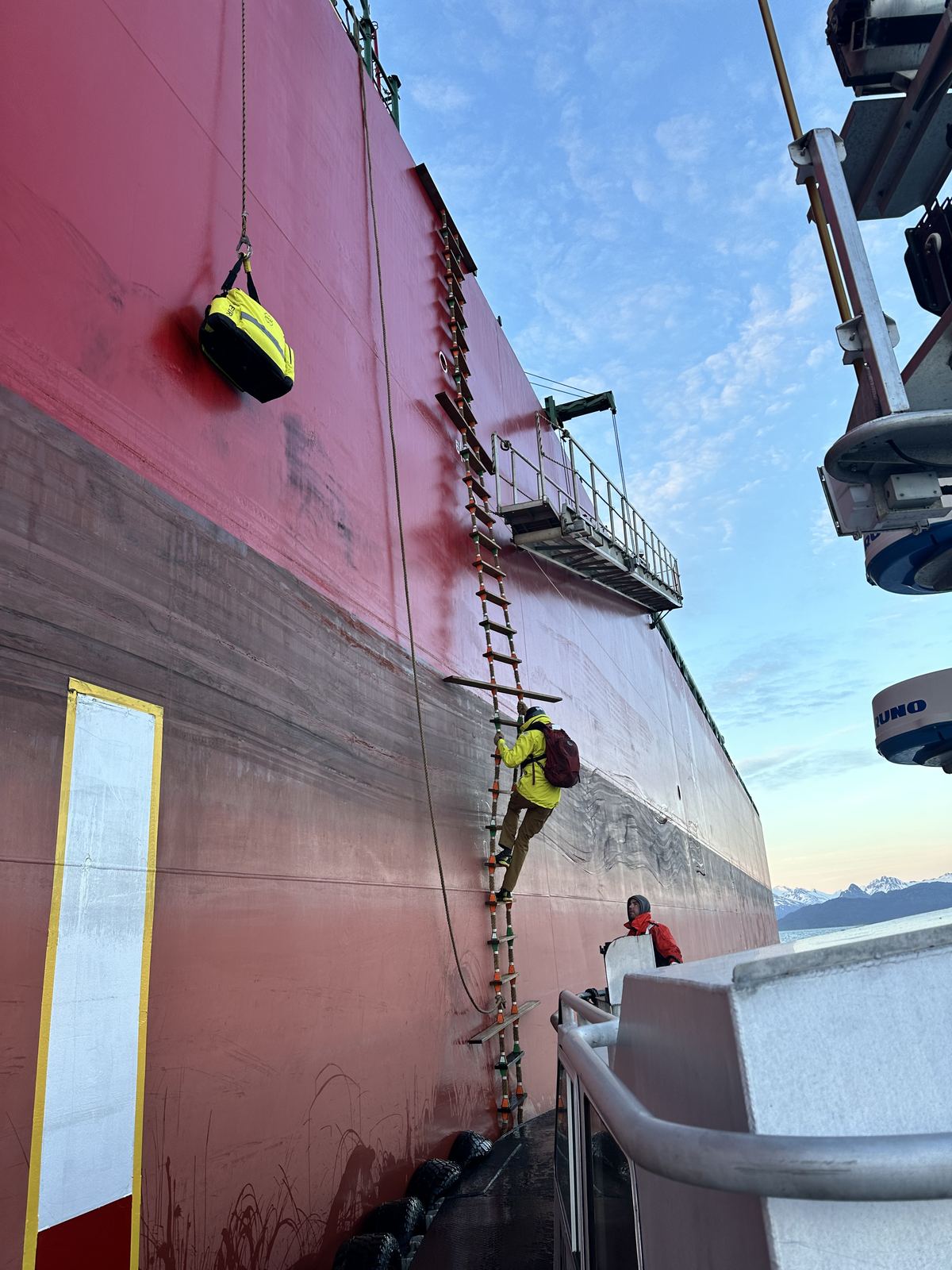
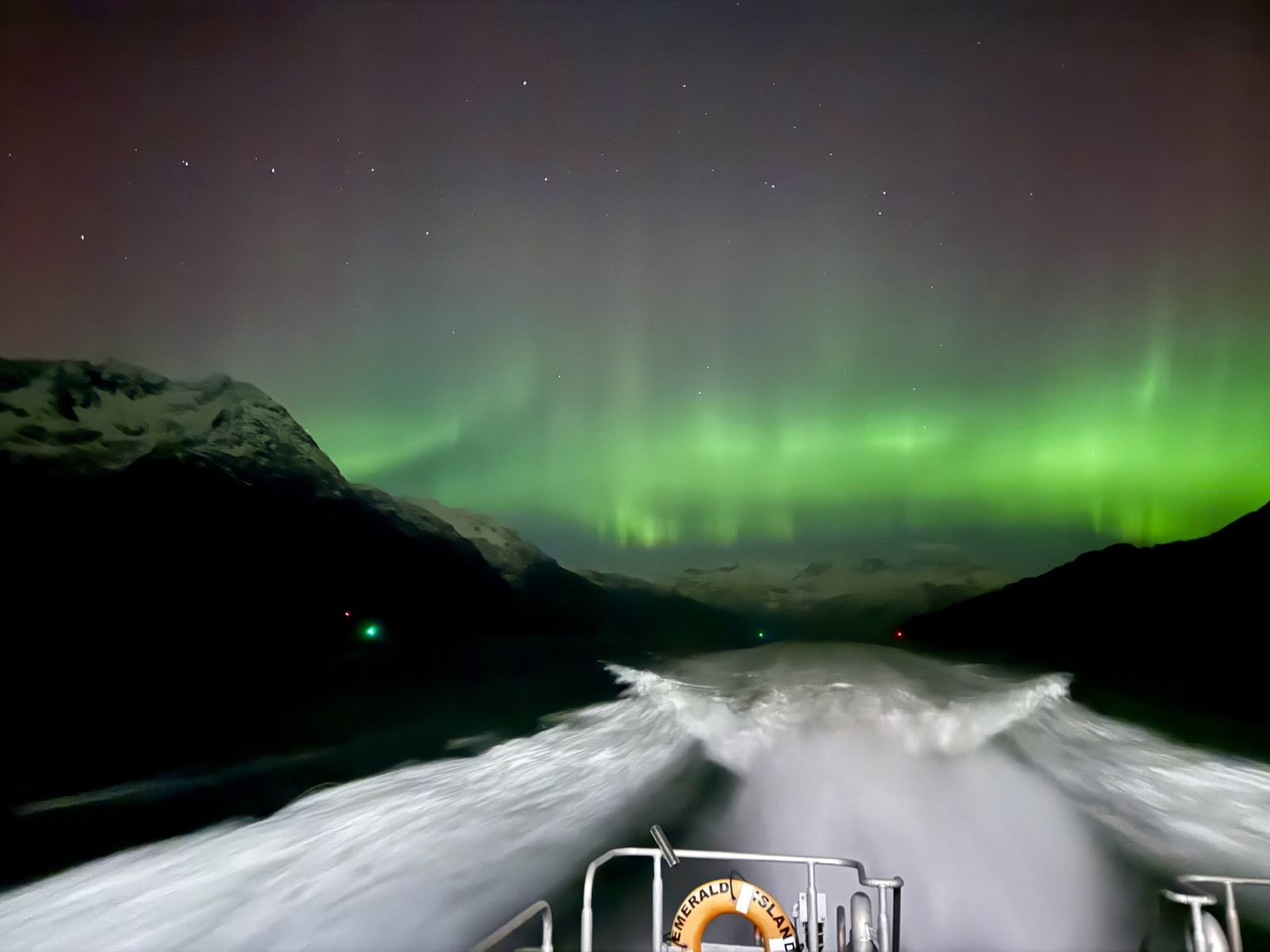
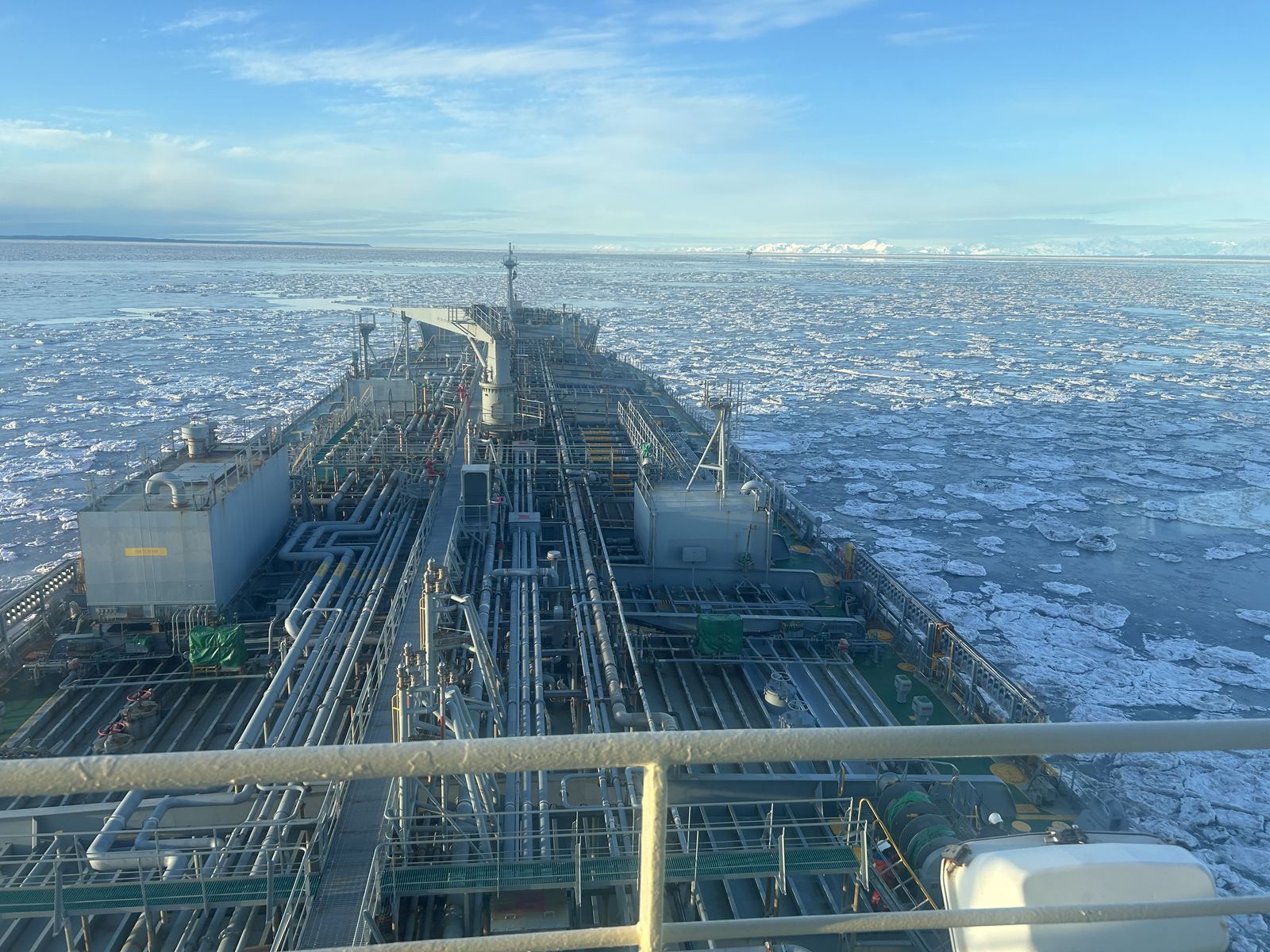
A long road, by design
Marine pilots come to this job after gaining experience at sea. The role is reserved for mariners who have already commanded vessels and accumulated the licenses, sea time and judgment it demands.
From there, the path into SWAPA runs through a competitive selection process and an extensive training and apprenticeship program before a pilot is ever licensed to work independently. Below is what that journey looks like.
The path
From mariner to pilot
Candidates come to us as seasoned mariners, typically holding a senior unlimited license with significant command-level experience, because the pilotage path begins where a deep seagoing career leaves off. Prospective pilots apply and are evaluated against the standards set by the Alaska Board of Marine Pilots and the association, and with openings limited, selection is rigorous and infrequent.
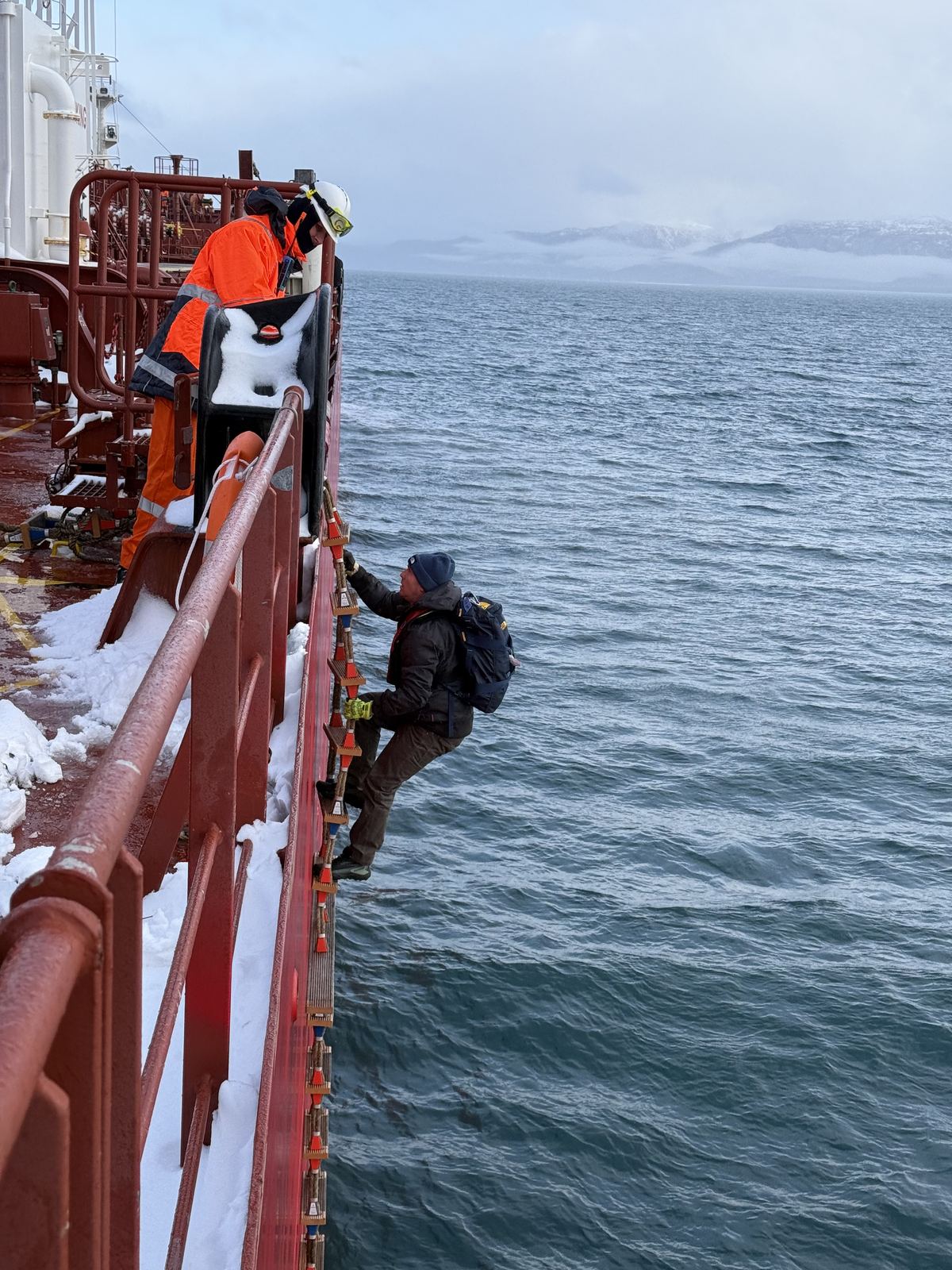
Successful applicants then undertake an extensive, supervised training program, making many monitored trips across the areas to build first-hand knowledge of each waterway’s tides, currents, weather and boarding grounds. Trainees progress through tonnage and route checkouts, demonstrating their competence to examiners, before they are licensed to pilot independently.
Coast Guard first class pilot endorsements
Before the state licenses a deputy pilot, the U.S. Coast Guard must endorse the mariner as a first class pilot for our waters without tonnage limits. Those endorsements are earned with recorded round trips on each route and exams at the Regional Exam Center in Anchorage.
The Coast Guard revises its routes and trip requirements from time to time and REC Anchorage keeps the current packet, trip verification sheets and route charts on its own page, under FCP Charts/Info.
What it takes
Expect the bar to be high
- A senior license and substantial command-level sea time
- Living in, or willing to relocate to, Southcentral Alaska
- Pilots must be ready to be called out at any hour of the day or night.
- The judgment, stamina and temperament for high-consequence work
Think you’re ready?
Apply to the Deputy Marine Pilot Training Program
If you meet the prerequisites, we invite seasoned mariners to apply to SWAPA’s Deputy Marine Pilot Training Program through our intake form.
Questions first? Email training@swpilots.net